Reducing hotel labor costs sustainably requires better scheduling, real-time overtime controls, reduced reliance on agency labor, accurate productivity tracking, and connecting labor data to the P&L. Cutting headcount without these tools often reduces service quality while leaving the root causes of labor inefficiency in place.
Key Takeaways
- Demand-based scheduling aligned to occupancy is the highest-impact labor cost lever
- Overtime prevention requires real-time alerts, not after-the-fact reporting
- Agency and contract labor is expensive; reducing reliance on it requires better forecasting
- Cost per occupied room is the metric that connects scheduling decisions to financial outcomes
- Cross-training expands scheduling flexibility and reduces dependence on specialists
- Time and attendance accuracy directly affects both payroll cost and reporting reliability
- Labor costs connected to accounting give management and ownership real-time financial visibility
Why Labor Cost Reduction Requires More Than Cutting Hours
Hotel labor management software exists because the relationship between labor deployment and hotel financial performance is complex. Simply cutting scheduled hours creates understaffing during demand peaks, reduces service scores, and often results in overtime to cover gaps, undoing the savings. Sustainable labor cost reduction requires understanding where labor is deployed relative to occupancy and revenue, then optimizing that relationship systematically.
The eight strategies below address the most common sources of hotel labor cost inefficiency. They are operational and data-driven, not just administrative cuts.
8 Ways to Reduce Hotel Labor Costs
-
Schedule to Occupancy, Not to Habit.
The most common source of labor cost inefficiency in hotels is scheduling based on historical patterns rather than current forecasted demand. Managers who schedule the same crew for a Thursday regardless of whether occupancy is 40% or 90% are either overstaffed or understaffed most of the time. Occupancy-based scheduling builds staffing levels from the ground up based on forecasted demand, using productivity standards to determine how many staff each department needs for each forecasted occupancy level. This approach eliminates both overstaffing during slow periods and reactive overtime during busy ones.
-
Implement Real-Time Overtime Alerts.
Overtime is often invisible until it appears on the payroll report, which is too late to prevent it. Real-time overtime alerts notify managers when an employee is approaching overtime hours during the current week, allowing schedule adjustments before the threshold is crossed. This requires a labor management system that tracks hours in real time against the weekly threshold, not just a time clock that records punches. Properties that implement real-time overtime alerts consistently reduce overtime costs compared to those that rely on after-the-fact reporting.
-
Reduce Agency and Contract Labor Reliance.
Agency labor is significantly more expensive per hour than direct employment. Management companies that rely heavily on agency staffing to cover demand variability are paying a premium for a flexibility problem that better forecasting and cross-training can solve. Audit agency labor usage by department and week, identify the patterns that drive it, and address those patterns through improved scheduling accuracy and cross-trained staff who can flex across departments.
-
Track Cost Per Occupied Room by Department.
Cost per occupied room (CPOR) is the metric that translates scheduling decisions into financial language. When managers see that their department’s CPOR is running above budget, they understand the financial impact of staffing decisions in terms that connect to the P&L. Track CPOR by department, compare it to budget and prior period weekly, and set targets for each department based on the productivity standards appropriate to that department’s function.
-
Cross-Train Staff Across Departments.
Single-role staff create scheduling rigidity. When a front desk agent can only work front desk, filling gaps requires hiring or agency labor. Cross-training front desk agents to handle bell services, cross-training housekeeping supervisors to cover room inspection, and cross-training F&B staff to assist events creates scheduling flexibility that reduces agency labor reliance and allows better occupancy-based adjustment without leaving departments understaffed.
-
Audit Time and Attendance Accuracy.
Time and attendance errors create labor cost leakage that often goes unnoticed. Missed punches, unauthorized early clock-ins, extended breaks, rounding inconsistencies, and manual timesheet adjustments can all inflate payroll costs over time. Conduct regular audits of time and attendance records to identify recurring issues, enforce punch policies, and ensure managers review exceptions promptly. Accurate time tracking not only reduces unnecessary labor expense but also improves payroll accuracy and strengthens compliance with wage and hour regulations.
-
Align Management Scheduling With Demand.
Management labor cost is often overlooked when focusing on hourly staff. Assistant manager and department head schedules that do not flex with demand add fixed cost during low-occupancy periods. Review management scheduling practices against occupancy patterns, and build flex into management coverage where service standards allow it. This is particularly relevant for food and beverage, where multiple management layers are sometimes scheduled regardless of covers.
-
Connect Labor Costs to Accounting in Real Time.
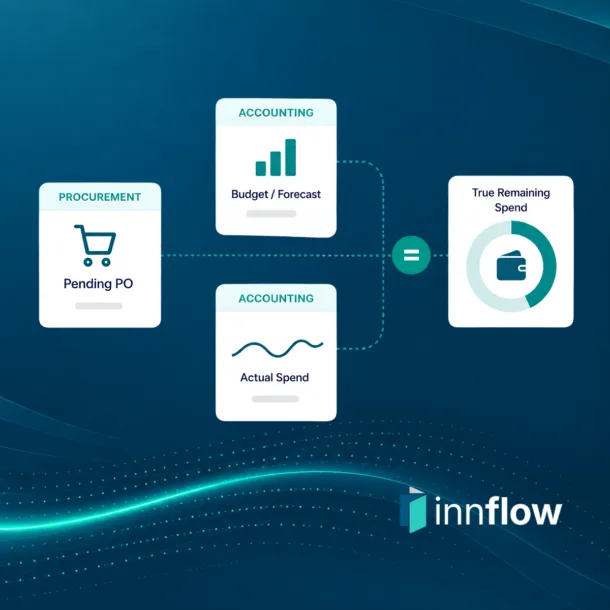
Labor data is most valuable when it is tied directly to financial performance. When scheduling, time and attendance, payroll, and accounting systems operate in silos, managers often discover labor overages only after financial reports are finalized. Integrating labor data with accounting provides real-time visibility into labor cost percentages, department expenses, and budget performance throughout the period. This allows managers to make proactive staffing adjustments before costs escalate and gives ownership a clearer picture of how labor decisions are impacting profitability.
Measuring the Impact of Labor Cost Reduction Efforts
Track four metrics to assess whether labor cost reduction efforts are working: labor cost as a percentage of department revenue, CPOR by department, overtime hours and cost by department, and agency labor hours as a percentage of total hours. Review these weekly, not monthly, so that course corrections happen within the period rather than after it.
When these metrics improve without a corresponding decline in service scores, the labor cost reduction is sustainable. When service scores decline alongside labor cost, the approach is cutting too deep rather than optimizing deployment.
How Inn-Flow Supports Labor Cost Control
Inn-Flow’s hotel labor management software connects scheduling, time and attendance, and real-time cost tracking in a single platform. Labor costs flow automatically into hotel accounting and payroll, giving managers and controllers real-time visibility into department-level labor costs without manual data transfers.
See how Inn-Flow supports labor cost management at inn-flow.com/labor.
Frequently Asked Questions
What is the most effective way to reduce hotel labor costs?
Demand-based scheduling aligned to forecasted occupancy is the highest-impact lever. It eliminates both overstaffing during slow periods and reactive overtime during busy ones. Real-time overtime alerts and reduced agency labor reliance build on scheduling accuracy.
How does cost per occupied room help manage hotel labor costs?
CPOR translates scheduling decisions into financial language. When managers track their department’s CPOR against budget weekly, they have a clear metric connecting workforce deployment to financial performance, rather than managing headcount in isolation from cost.
Does cross-training actually reduce hotel labor costs?
Yes. Cross-training reduces reliance on agency labor for gap coverage and allows more flexible occupancy-based scheduling. The cost of cross-training investment is typically recovered quickly through reduced agency premiums and more efficient scheduling.
How does time and attendance accuracy affect hotel labor costs?
Inaccurate time and attendance records inflate payroll costs through missed punch corrections, unauthorized early clock-ins, and rounding that consistently adds time. A time and attendance audit and tighter controls reduce these costs without requiring any reduction in scheduled hours.
Can hotel managers see labor costs in real time?
With integrated labor management and accounting software, yes. When labor data flows automatically into the accounting system, managers and controllers can see department-level labor cost percentages and CPOR as the period progresses, enabling mid-period corrections.